2026-09-30 ·
Handling Frozen Pipe Bursts During Yankton Winters
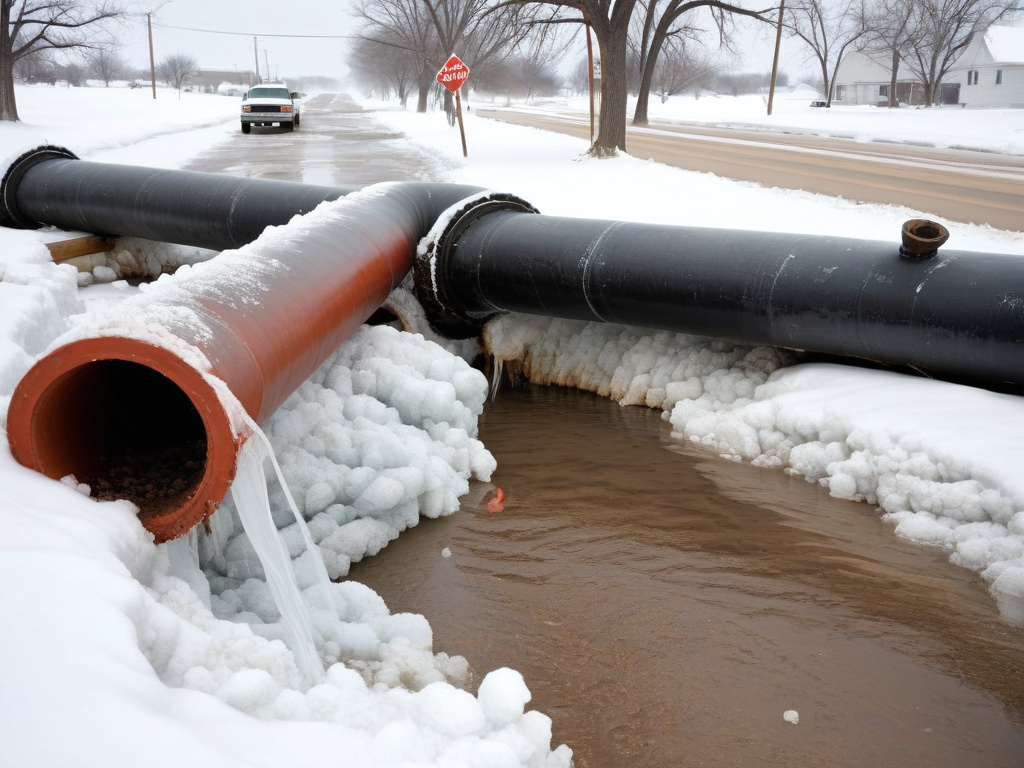
Frozen pipe bursts during Yankton winters demand immediate water shutoff at the main valve followed by professional drying and assessment within 24 hours to stop standing water from creating biohazard conditions. Yankton County homes built before 1970 in Downtown and Hilltop often have galvanized lines that split when temperatures drop below freezing for several nights in a row. Proximity to Gavins Point Dam keeps soil moisture high, so escaped water migrates into basements faster than in drier counties.
Recognizing Pipe Freeze Patterns in Yankton Housing Stock
Yankton's older stock in Downtown and Hilltop features crawl spaces and uninsulated exterior walls that lose heat quickly during January cold snaps. Pipes running along north-facing walls near the Yankton County Historical Society buildings freeze first because wind off Lewis and Clark Lake accelerates heat loss. Homeowners notice reduced flow at faucets or hear banging in walls when ice expands. Once a burst occurs, water can reach 2–4 inches deep in lower levels within an hour, especially on properties with clay-heavy soil near the Missouri River channel. Checking exposed pipes in utility rooms and garages each evening during forecasts below 15°F prevents most incidents.
First Actions After a Burst to Limit Contamination
Shut off the main water supply at the meter outside the home, then open faucets on all floors to drain remaining pressure. Move furniture and belongings away from wet zones before moisture wicks into drywall. Standing water mixed with household waste or sediment from older pipes can carry bacteria, so avoid direct contact and ventilate the space without spreading airborne particles. In Yankton winters, cold air slows evaporation, so fans and dehumidifiers must run continuously for 48–72 hours. Properties near Gavins Point Dam often see groundwater seepage that mixes with burst water, raising the chance of cross-contamination with sewage lines.
Biohazard and Mold Risks Specific to Local Conditions
Water from frozen pipe bursts frequently contacts floor drains or sump pits in Yankton basements, introducing pathogens that require sewage backup cleanup. When moisture lingers in Hilltop crawl spaces, it feeds mold colonies within 48 hours during the humid continental climate's rapid warm-ups. Readers can review mold growth from basement moisture in Yankton basements for details on how local water tables accelerate spore spread. Professional remediation removes affected materials and applies EPA-registered disinfectants before reconstruction begins.
Coordination with Local Remediation Services
When burst water reaches occupied areas or mixes with waste, contact mold remediation teams familiar with Yankton County permitting. These crews document moisture readings room by room and coordinate with insurance adjusters for claims involving secondary biohazards. Homes near Lewis and Clark Lake sometimes need extra extraction equipment because high water tables keep subfloors saturated longer. Scheduling service during business hours of 8am–6pm weekdays ensures technicians arrive with the right containment barriers before odors develop in enclosed spaces.