2026-09-30 ·
Missouri River Flood Cleanup Steps For Yankton Homes
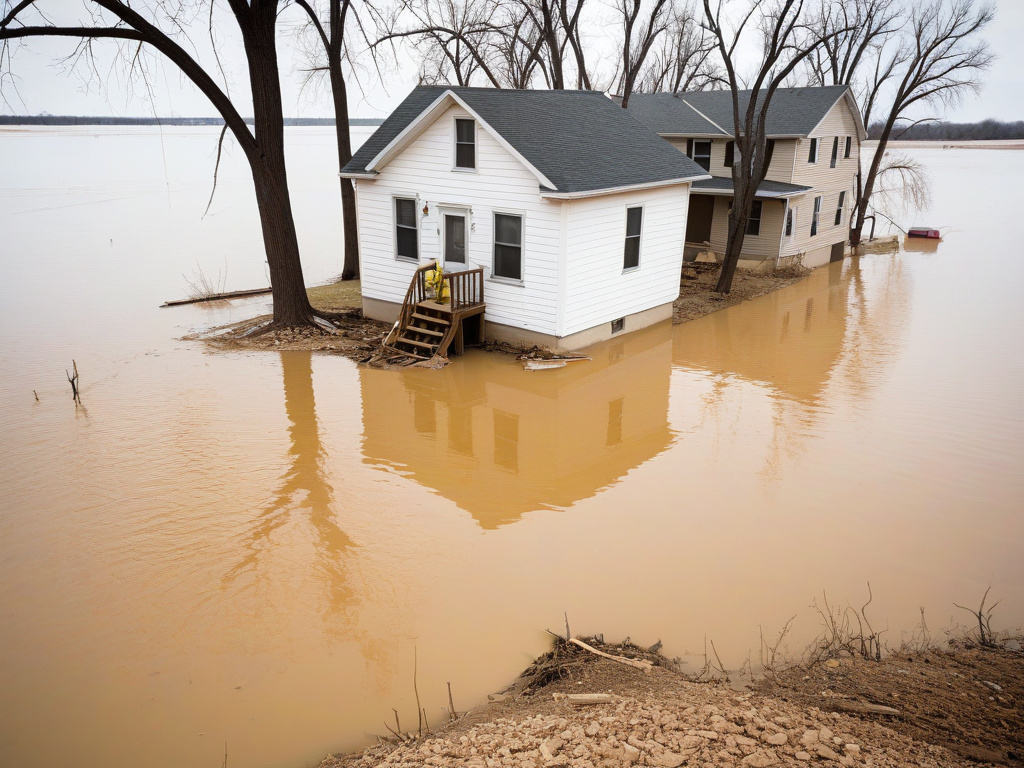
Floodwaters from the Missouri River in Yankton often carry sewage, silt, and bacteria into homes, requiring immediate removal of standing water followed by thorough drying and disinfection to prevent long-term health hazards. Homeowners in neighborhoods such as Downtown and Hilltop should start by shutting off power and gas, then extract water using professional pumps before mold sets in during the area's hot, humid summers.
Initial Safety and Water Extraction
Yankton properties along the river corridor, especially older homes in Downtown near the Yankton County Historical Society, frequently experience basement flooding when Gavins Point Dam releases increase river levels. Begin by evacuating the structure and avoiding contact with contaminated water that may contain pathogens from upstream sources. Use submersible pumps rated for 2,000 gallons per hour or more to remove standing water within the first 24 hours, then deploy industrial dehumidifiers set to 50% relative humidity. Homeowners near Lewis and Clark Lake should check crawl spaces, as river silt can trap moisture against foundations for weeks. This phase prevents electrical hazards and limits bacterial spread before deeper cleaning begins.
Contamination Assessment and Containment
Flood debris in Yankton County often mixes with agricultural runoff and urban waste, creating biohazard conditions that demand professional evaluation in Hilltop homes built on sloped terrain. Inspect drywall up to 18 inches above the water line, as capillary action pulls contaminants higher in humid continental summers. Set up plastic sheeting barriers around affected rooms to isolate spores and odors, then document all damage with photos for insurance. Properties closer to Sioux Falls or Mitchell may see delayed response times during regional events, so local crews familiar with Yankton's soil conditions can reach sites faster. Proper containment stops cross-contamination into unaffected areas like attics or second floors.
Drying, Disinfection, and Mold Prevention
After extraction, Yankton homes require targeted drying because hot summers accelerate mold growth within 48 hours on porous materials such as carpet padding and insulation. Run air movers and dehumidifiers continuously for 3–5 days while monitoring moisture levels below 15% with a meter. Apply EPA-registered disinfectants to hard surfaces and remove saturated drywall or flooring that cannot be salvaged. In areas prone to repeated flooding near Gavins Point Dam, consider replacing baseboards with moisture-resistant alternatives. This process directly addresses the biohazard risks that arise when river water infiltrates older housing stock common throughout Yankton.
Final Restoration and Prevention Steps
Once surfaces test dry, reinstall materials and apply odor-neutralizing treatments to eliminate musty smells left by Missouri River silt. Homeowners in Hilltop should elevate electrical outlets and install backflow valves to reduce future intrusion risks during heavy rain events. Schedule follow-up inspections two weeks later to catch hidden moisture pockets. For properties dealing with sewage mixed into floodwater, professional sewage backup cleanup ensures proper handling of pathogens. Review related guidance in Sewage Backup Response After Heavy Rain In Yankton for additional seasonal tactics. Yankton Bio Hazard Cleanup operates Mon–Fri 8am–6pm and Sat 9am–2pm from its base in Yankton, SD, ready to assist with these flood-related biohazard situations.