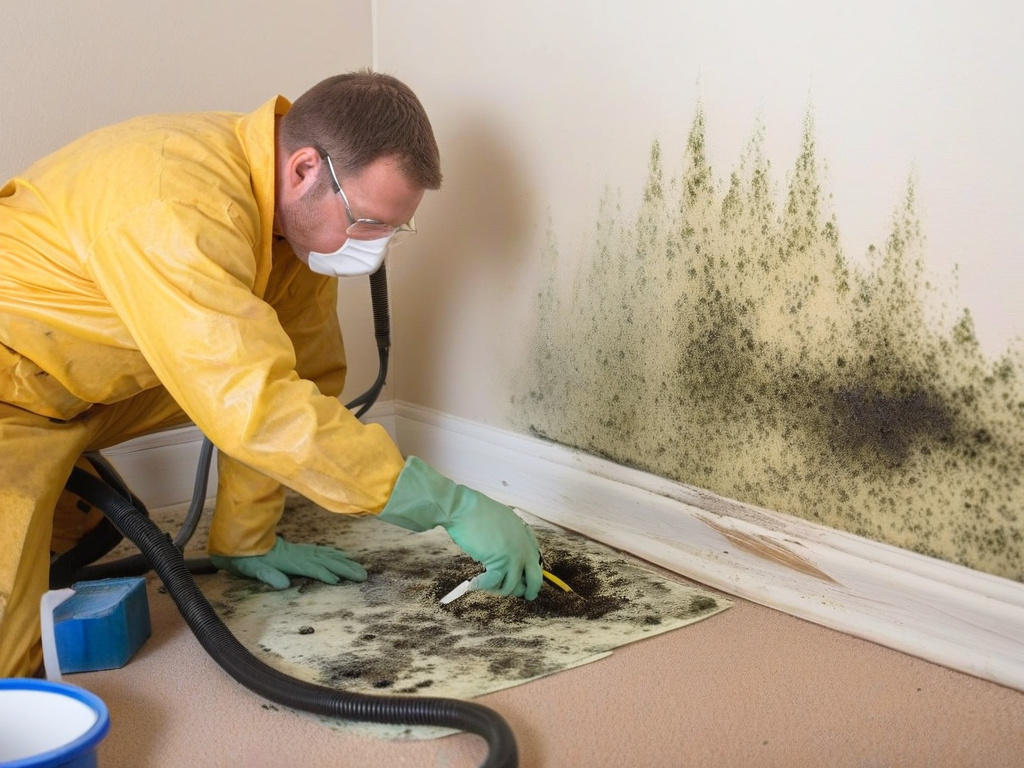
Yankton's humid continental climate with hot summers drives rapid mold growth in homes built before modern moisture barriers, especially in basements and crawl spaces common to Downtown and Hilltop neighborhoods. Biohazard cleanup crews must contain spores during removal to prevent cross-contamination into living areas, using negative air machines and sealed barriers that account for the tight floor plans of these older properties. Water intrusion from seasonal rains or proximity to Lewis and Clark Lake often hides behind plaster walls, requiring targeted demolition rather than surface treatments that leave roots intact.
Work near Gavins Point Dam and Yankton County Historical Society buildings frequently involves properties with limestone foundations that wick moisture upward, creating persistent mold colonies in joist pockets. Technicians test air quality before and after remediation because summer humidity can reactivate dormant spores within days if dehumidification is skipped. Disposal follows strict biohazard waste protocols to avoid landfill issues that affect nearby Sioux Falls and Mitchell routes.
Homeowners in Yankton County often discover mold after minor roof leaks during hot weather spikes, when HVAC systems pull humid air through attic insulation. Remediation here demands removal of affected cellulose materials and application of antimicrobial agents rated for high-moisture environments, followed by verification sampling to confirm clearance before reconstruction begins.
Technician insight
In Yankton, the thing that catches most people out with Mold Remediation is how hot humid summers push moisture up through Hilltop limestone foundations into older plaster walls, letting colonies spread behind cabinets before any visible signs appear on the surface.
Hidden Growth After Summer Leak
A Downtown Yankton homeowner noticed musty odors after heavy July rains. Inspection revealed mold behind kitchen drywall fed by wicking from the limestone foundation near the lake. Crews contained the room, removed contaminated sections, treated joists, and verified clearance so the family could rebuild without spore recirculation.
Mold Remediation Services We Offer
✓Basement Mold Remediation
Targets hidden colonies in older Yankton basements where limestone foundations trap moisture from humid summers.
✓Attic Mold Removal
Addresses spore growth in insulation and rafters driven by roof leaks and poor ventilation during hot months.
✓Post-Flood Mold Cleanup
Remediates water-damaged materials after heavy rains near Lewis and Clark Lake to prevent secondary biohazard spread.
✓HVAC Mold Treatment
Cleans and sanitizes ductwork where summer humidity circulates spores through Downtown and Hilltop homes.
✓Drywall and Insulation Replacement
Removes and replaces contaminated sections behind walls in pre-1970s Yankton construction.
How it works
- 1
Initial Assessment
Technicians inspect affected areas in Yankton homes, testing for moisture sources tied to local humidity and foundation types.
- 2
Containment Setup
Sealed barriers and negative air pressure isolate the work zone to protect the rest of the property.
- 3
Material Removal
Contaminated drywall, insulation, and surfaces are cut out and bagged for biohazard disposal.
- 4
Cleaning And Treatment
Antimicrobial application and HEPA vacuuming eliminate remaining spores before drying.
- 5
Verification
Post-remediation testing confirms clearance before the space is returned to the homeowner.
Pricing
Pricing varies by affected square footage, depth of hidden growth in older walls, and access in Yankton properties.