2026-10-01 ·
Disposing Of Hoarding Related Waste In Yankton Residences
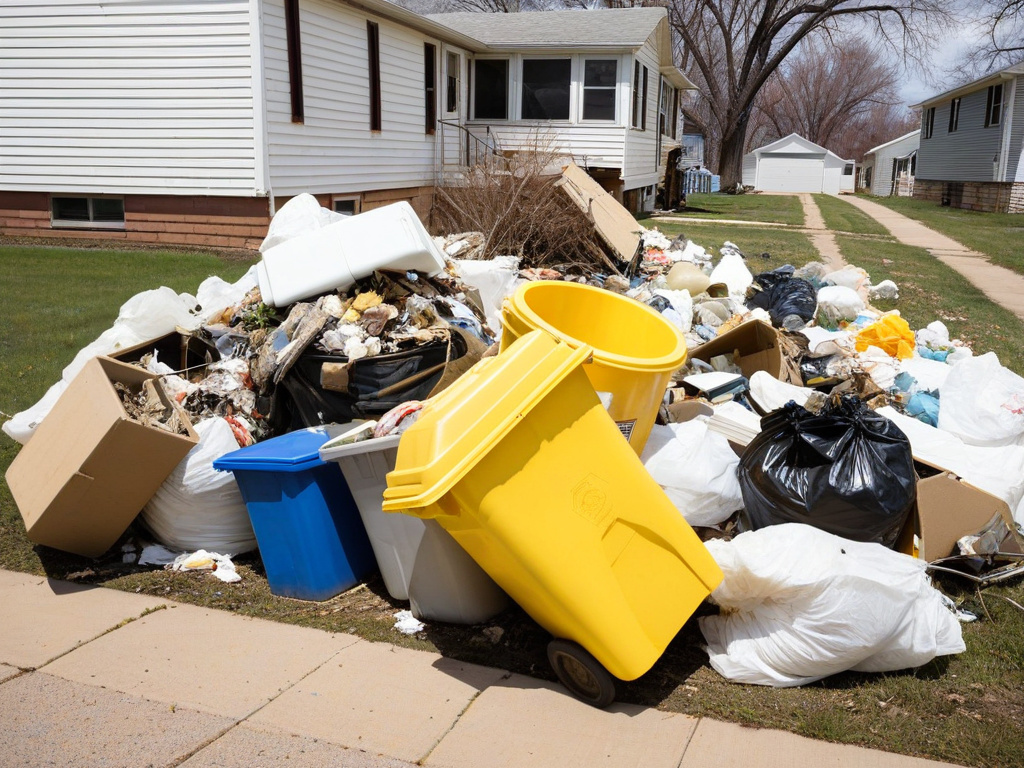
Hoarding-related waste in Yankton residences must be sorted into categories such as recyclable materials, household trash, and potential biohazards before any transport to the Yankton County landfill or transfer station. This process prevents cross-contamination and complies with South Dakota disposal rules that treat certain items differently based on condition and content.
Local Housing Stock and Waste Volume Factors
Many residences in Downtown Yankton and the Hilltop neighborhood date back to the early 1900s through the 1960s, featuring smaller basements, narrow hallways, and limited drive-up access. These layouts increase the time needed to move bagged waste out of upper floors or tight stairwells, especially when items have sat through multiple humid continental summers near Lewis and Clark Lake. Hot summer temperatures accelerate bacterial growth in paper, fabric, and food debris, turning ordinary clutter into stronger odor sources that affect neighboring properties along the Missouri River corridor. Residents in these older homes often face higher volumes of mixed waste because storage space was originally designed for smaller households, leading to overflow into attics and garages that retain moisture from the region's seasonal humidity.
Sorting and Containment Steps for Yankton Properties
Begin by separating items that show visible mold, animal waste, or bodily fluids, placing them in heavy-duty 3-mil bags labeled for biohazard handling. Non-contaminated recyclables such as clean metal and glass can go into standard bins for the Yankton County recycling program, while general trash requires double-bagging to contain dust and odors during transport. In Hilltop homes with steep driveways, crews often stage bags at ground level first to reduce trips up narrow stairs. During peak summer heat, work in early morning hours to limit exposure to temperatures that can exceed 90 degrees and intensify smells from decomposing organic matter. Always wear gloves and respirators rated for particulate matter when handling items near the Yankton County Historical Society area, where older structures may contain lead paint dust mixed with accumulated debris.
Transportation and Landfill Rules in Yankton County
Yankton County requires that large loads of hoarding waste be covered during transport to prevent litter along routes to the landfill near Gavins Point Dam. Vehicles must display proper load securement, and drivers should check current tipping fees at the county facility before arrival, as rates can vary by weight and material type. Properties closer to Sioux Falls or Mitchell sometimes compare options, but most Yankton residents use the local site to avoid extra mileage on rural roads that become slick after spring rains. Items containing sharps or medical waste must be separated and taken to designated collection points rather than mixed with regular trash, following state guidelines that protect landfill workers. Hot summer conditions can cause bags to expand from gas buildup, so venting or smaller loads help maintain safety during the drive.
Health Risks from Summer Conditions and Older Homes
The humid continental climate in Yankton brings extended periods of high heat and moisture that promote rapid mold growth inside hoarded homes, especially in unventilated Hilltop basements. This environment increases exposure to airborne spores and bacteria when bags are opened or moved, requiring consistent use of HEPA filtration during any on-site sorting. Older housing stock often lacks modern insulation, allowing temperature swings that condense moisture on walls and floors, further complicating waste removal. Residents near Lewis and Clark Lake report stronger odors traveling through open windows during July and August, prompting neighbors to request faster cleanup timelines. Proper containment and timely removal reduce these secondary effects on surrounding properties.
Professional Hoarding Cleanup teams familiar with Yankton conditions can coordinate disposal logistics while protecting occupants from direct contact with contaminated materials. For additional context on local cost variables, review What Influences Biohazard Remediation Costs In Yankton South Dakota. When animal waste appears alongside hoarded items, How To Handle Animal Waste Biohazards On Rural Yankton Properties offers targeted steps that complement urban residence procedures. Contact 24/7 dispatch based in Yankton, SD, for on-site assessment of specific properties.