2026-10-01 ·
Biohazard Remediation After Missouri River Flooding Near Yankton
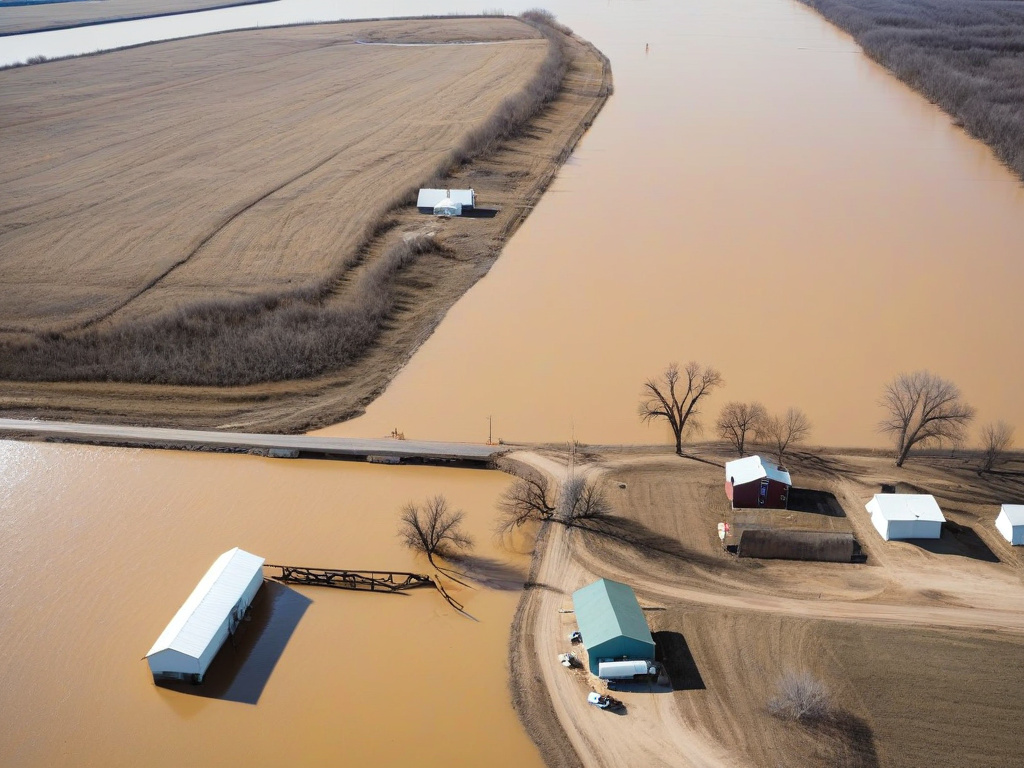
Biohazard remediation after Missouri River flooding near Yankton starts with rapid isolation of contaminated zones to stop sewage and sediment from spreading through older homes in Downtown and Hilltop. Properties built before modern flood controls near Gavins Point Dam often have basements and crawl spaces that trap water carrying pathogens from the river. The county's humid continental climate with hot summers speeds bacterial multiplication once temperatures climb, shortening safe response windows compared to drier regions near Sioux Falls or Mitchell.
Floodwater Contamination Patterns in Yankton County
Missouri River overflows deposit silt mixed with agricultural runoff and urban waste along the banks below Gavins Point Dam. In Downtown Yankton, narrow lots and shared foundations allow water to migrate between buildings, carrying coliform bacteria and viruses into wall cavities. Hilltop homes on higher ground still face backflow through storm drains that connect to the river system. These conditions demand extraction equipment rated for heavy sediment rather than standard water removal tools. Hot summer air after a flood event turns residual moisture into ideal conditions for rapid mold colonies within 48 hours.
Equipment and Containment Needs for Local Flood Events
Technicians begin by establishing negative air pressure in affected rooms to protect unaffected areas of the structure. HEPA filtration units capture airborne particles stirred up during demolition of saturated drywall and flooring common in Yankton's older housing stock. Sewage lines damaged by high water require separate handling to avoid cross-contamination with clean water sources. Sewage backup cleanup protocols apply directly when river levels push waste through floor drains. Soil saturation around foundations near Lewis and Clark Lake can keep moisture levels elevated for weeks, requiring extended drying with industrial dehumidifiers sized for the home's square footage.
Health Risks Amplified by Regional Climate
Pathogens introduced by floodwater remain viable longer in Yankton's warm, humid summers than in cooler months. Residents returning to properties near the Yankton County Historical Society buildings have reported respiratory irritation from hidden mold in subfloors. Bloodborne and fecal-oral routes of exposure increase when children or pets contact dried sediment tracked indoors. Proper PPE including powered air-purifying respirators becomes essential during removal of porous materials that cannot be salvaged. Documentation of every step supports insurance claims when river flooding affects multiple blocks at once.
Post-Remediation Verification Steps
Clearance testing after biohazard remediation confirms that ATP levels and mold spore counts fall within acceptable ranges for re-occupancy. Air sampling in finished basements of Hilltop homes often reveals lingering issues behind cabinets or under stairs if initial drying was incomplete. Final walkthroughs include checking exterior grading around properties to reduce future river-influenced water entry. Mold remediation may follow if secondary growth appears after the primary biohazard work concludes. Owners in the county receive written reports detailing every material removed and disinfectant applied.
Factors Affecting Project Scope After Missouri River Events
The volume of water that entered a structure determines whether entire floor systems must be replaced or only surface treatments suffice. Homes close to the river channel experience deeper sediment layers that embed in hardwood and carpet padding. What influences biohazard remediation costs in Yankton South Dakota includes the number of rooms impacted and the need for specialized disposal of saturated debris. Summer timing compresses schedules because high temperatures increase evaporation rates and odor release. Coordination with local utilities ensures power restoration aligns with equipment needs during extended drying periods.