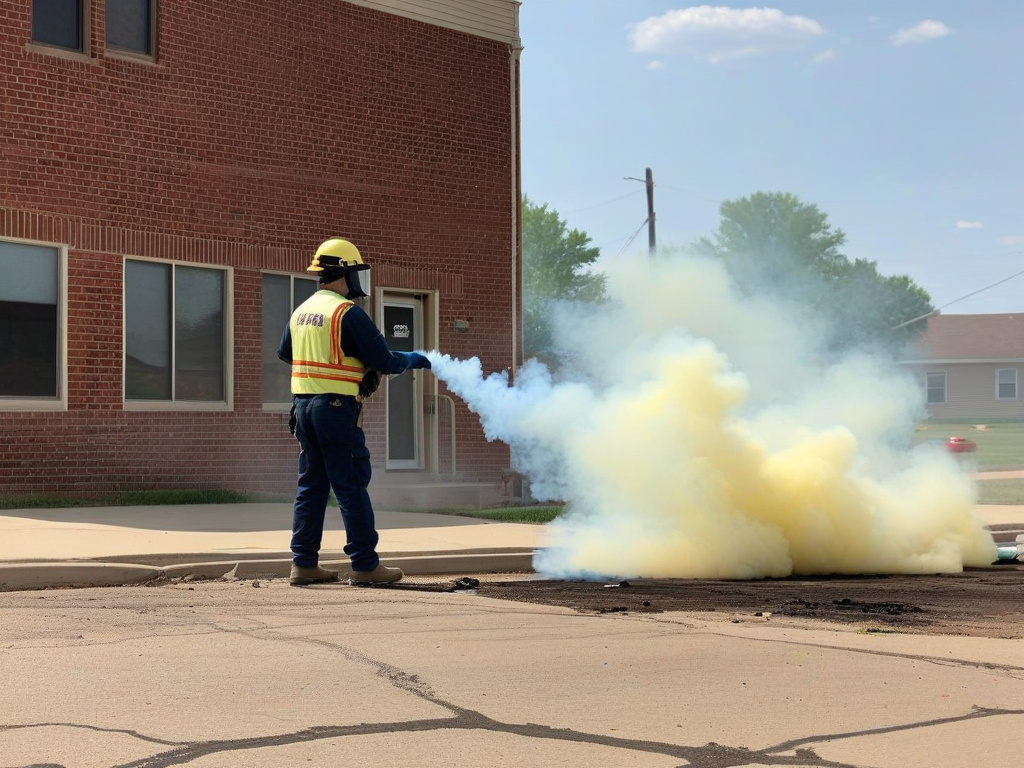
Tear gas residues settle into porous materials like drywall, carpet, and insulation found in Yankton's older Downtown homes built before 1950 and Hilltop bungalows. In the county's humid continental summers, high moisture levels cause these particles to bind more tightly to surfaces and HVAC filters, requiring specialized alkaline neutralizers rather than standard detergents. Technicians must isolate ventilation systems early because recirculated air can spread irritants to unaffected rooms, and Gavins Point Dam humidity often extends drying times after cleaning.
Edge cases arise when incidents occur near Lewis and Clark Lake recreation areas, where wind can carry residues into nearby residences through open windows or attic vents. Yankton County properties with crawl spaces face additional challenges as residues migrate downward and react with soil moisture. Crews follow EPA and OSHA guidelines for personal protective equipment and waste disposal, documenting each step to meet local health department expectations without assuming any certification status.
Homeowners in Mitchell or Sioux Falls sometimes attempt DIY neutralization with bleach solutions, which can create new chemical compounds that worsen odors and health risks. Professional teams use pH testing strips throughout the process and run air scrubbers with activated carbon for extended periods to address the county's variable summer winds that push particles deeper into fabrics and wood trim.
Technician insight
In Yankton, the thing that catches most people out with Tear Gas Residue Cleanup is how humid summers make residues stick harder to the plaster and lathe walls in pre-1960 Downtown homes, especially when the house sits close to the river and crawl spaces stay damp.
Hilltop Bungalow After Local Incident
Residues had settled into carpet and entered the forced-air system of a 1940s Hilltop home. Inspection showed particles throughout the ducts and on window sills facing the prevailing summer wind. Crews contained the system, neutralized surfaces, cleaned the ducts, and ran extended air scrubbing until testing cleared the property for reentry.
Tear Gas Residue Cleanup Services We Offer
✓Residential Tear Gas Decontamination
Full-home neutralization of CS and OC residues from walls, floors, and furnishings in Yankton houses, restoring safe occupancy after incidents.
✓HVAC System Remediation
Ductwork inspection, filter replacement, and coil cleaning to remove tear gas particles that spread through central air systems common in Hilltop properties.
✓Commercial Property Cleanup
Targeted decontamination of offices and retail spaces in Downtown Yankton, addressing residues on counters, shelving, and shared ventilation.
✓Personal Belongings Restoration
Item-by-item assessment and cleaning of clothing, documents, and electronics to salvage what can be saved after tear gas exposure.
✓Odor Neutralization Treatment
Application of specialized agents followed by ozone or hydroxyl processing to eliminate persistent tear gas smells in humid Yankton summers.
How it works
- 1
Initial Assessment
Technicians inspect all affected rooms, test surfaces for residue levels, and map HVAC pathways in the specific Yankton property.
- 2
Containment Setup
Negative air machines and plastic barriers isolate contaminated zones to prevent cross-contamination during removal.
- 3
Residue Removal and Neutralization
Alkaline cleaners break down particles on surfaces while HEPA vacuums and scrubbers capture airborne material.
- 4
Verification and Clearance
pH testing and air sampling confirm safe levels before barriers are removed and the space is returned to use.
Pricing
Pricing varies by square footage, number of affected systems, and residue penetration depth; detailed estimates follow on-site assessment.