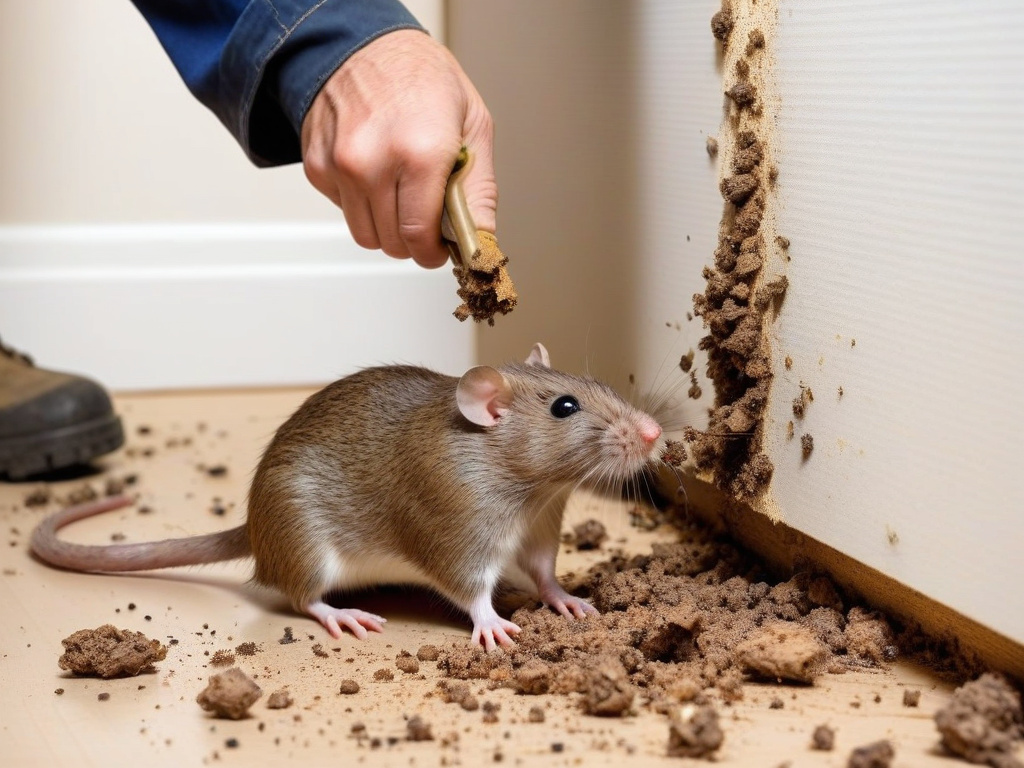
Yankton's humid continental climate with hot summers drives rodents into older housing stock found throughout Downtown and Hilltop neighborhoods. Droppings left in attics and crawlspaces quickly absorb moisture, creating conditions where mold and bacteria thrive on top of potential hantavirus exposure. Crews must wear full PPE and use HEPA filtration when disturbing these materials because summer humidity accelerates decomposition odors that travel through the tight floor plans common in pre-1950s homes near the Yankton County Historical Society district.
Work near Lewis and Clark Lake and Gavins Point Dam often involves properties with stone foundations and limited access points where squirrels or raccoons enter during heavy summer rains. Removing contaminated insulation requires sealing HVAC returns first to prevent cross-contamination into living spaces. Technicians also address soil contact points where burrowing animals leave waste along the Missouri River bluff terrain, which stays damp longer than inland lots in Mitchell or Sioux Falls.
After gross removal, surfaces receive hospital-grade disinfectants followed by odor neutralization that accounts for the region's high summer dew points. Homeowners in Hilltop frequently request follow-up inspections once fall cooling begins because rodents return as temperatures drop. Documentation of affected areas helps property owners coordinate with insurance when claims involve secondary water damage from compromised attic ventilation.
Technician insight
In Yankton, the thing that catches most people out with Rodent & Animal Infestation Cleanup / Droppings Remediation is how quickly summer humidity turns attic droppings into a mold problem inside the older balloon-framed homes along the Hilltop ridge. Homeowners often try to vacuum themselves and spread particles through the single central return that many Downtown properties still have.
Hilltop Attic Squirrel Waste
A Hilltop homeowner noticed a strong odor after a hot July stretch near Gavins Point Dam. Inspection revealed extensive squirrel droppings mixed with damp insulation above the second floor. Crews contained the space, removed the contaminated material, disinfected rafters, and sealed soffit gaps before restoring airflow.
Rodent & Animal Infestation Cleanup / Droppings Remediation Services We Offer
✓Attic Droppings Removal
Complete extraction of rodent and wildlife waste from attic spaces common in Downtown Yankton homes, followed by insulation replacement and sealing of entry points.
✓Crawlspace Decontamination
Targeted cleanup of animal droppings and urine in crawlspaces beneath Hilltop properties, including moisture control measures suited to Yankton's humid summers.
✓Garage and Outbuilding Waste Removal
Safe removal of droppings and nesting materials from detached garages and sheds found on older Yankton County lots near Gavins Point Dam.
✓HVAC Contamination Cleanup
Inspection and remediation of rodent droppings that have entered ductwork, preventing spread through homes during Yankton's hot summer cooling season.
✓Post-Remediation Odor Treatment
Application of targeted odor neutralizers after droppings removal to address lingering smells in humid Yankton basements and attics.
How it works
- 1
Site Assessment
Technicians inspect attics, crawlspaces, and entry points in the specific Yankton property to map droppings locations and animal access routes.
- 2
Containment Setup
Negative air machines and plastic barriers isolate work zones to protect living areas from disturbed particles during humid summer conditions.
- 3
Gross Removal
All visible droppings and contaminated materials are removed using HEPA vacuums and sealed containers for proper disposal.
- 4
Disinfection And Sealing
Surfaces receive EPA-registered disinfectants, followed by sealing of remaining entry points to prevent re-entry common near Lewis and Clark Lake.
Pricing
Cost depends on square footage affected, access difficulty in older Yankton homes, and whether HVAC or insulation replacement is required.