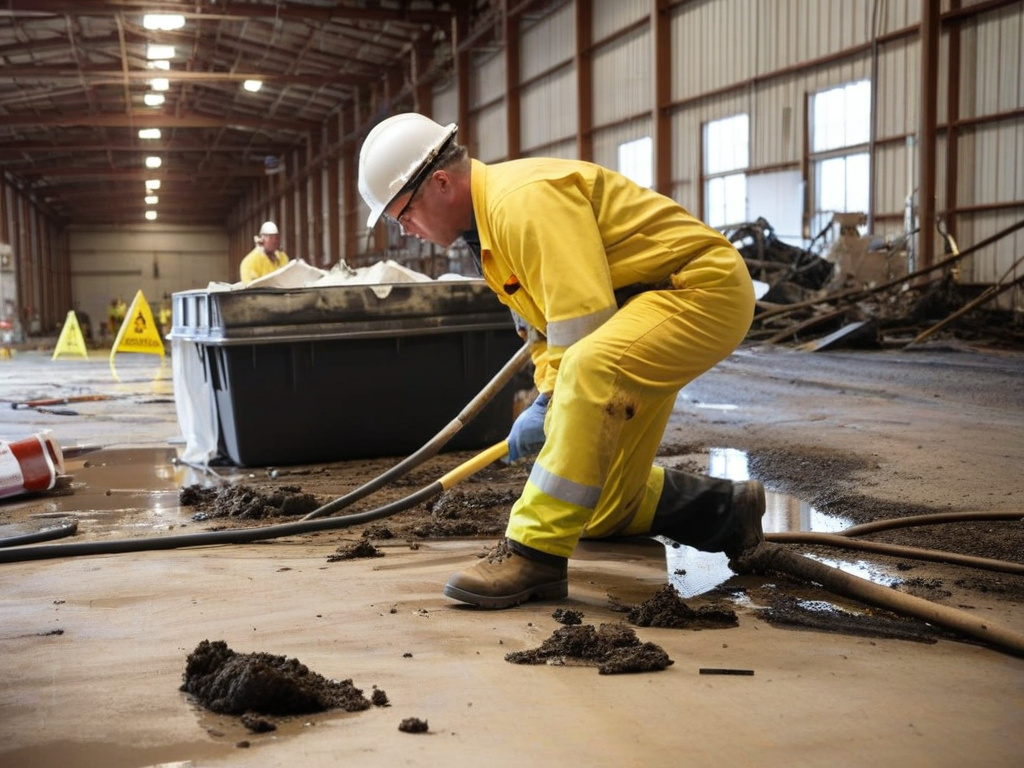
Yankton Bio Hazard Cleanup reaches Wagner from our Yankton base to handle biohazard remediation on properties ranging from older farmhouses near Main Street to homes along the edges of Wagner City Park. Hot continental summers speed up odor and fluid migration in these structures, so crews focus on rapid containment before heat drives contaminants deeper into subfloors and wall cavities common in Wagner stock built before widespread central air.
Access routes from Yankton cross open county roads that can soften after heavy summer storms, requiring equipment staging that protects both the scene and the surrounding lots. We coordinate with local references like Wagner Community School schedules to minimize disruption during school-year calls and work around the compact downtown grid where tight setbacks limit staging space for larger remediation setups.
Unattended death cleanup in Wagner often involves single-story ranch homes with attached garages where drainage slopes toward the street rather than rear yards. Our teams account for this terrain when setting negative air and waste removal paths so material never migrates toward neighboring properties along Wagner's residential blocks.
Around Wagner, SD
We regularly work near:
- 📍Wagner Community School
- 📍Wagner City Park
- 📍Main Street Wagner
- 📍Wagner Post Office
- 📍Wagner Municipal Building
Biohazard Remediation in Wagner, SD — Local Notes
- •Wagner's pre-1970 housing stock features poured concrete basements and crawl spaces that retain moisture during humid summers, lengthening drying times after biohazard events.
- •Rural lots on the south side of town sit lower than Main Street, creating natural drainage paths that can carry fluids toward adjacent properties if containment is not immediate.
- •Summer heat routinely pushes attic and garage temperatures above 90 degrees, accelerating biological breakdown and requiring earlier negative-air deployment than cooler shoulder seasons.
- •Narrow driveways common on blocks near Wagner Community School limit truck access, so smaller equipment and hand-carry protocols are used more often than in newer subdivisions.